
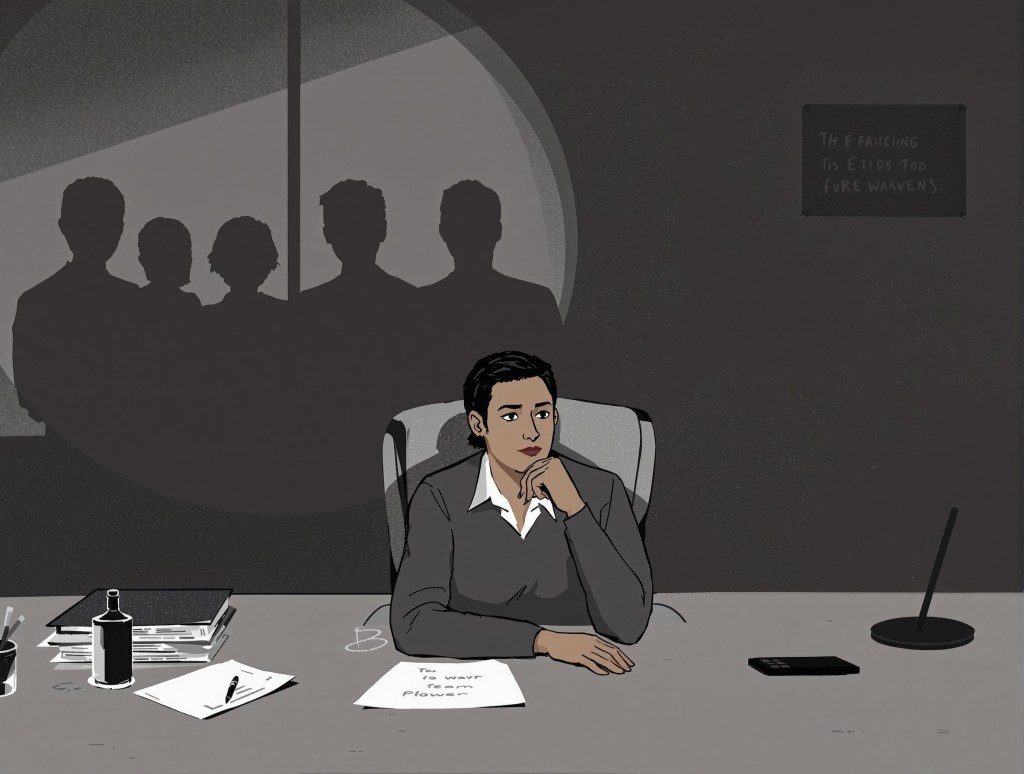
Redundancies can be one of the most challenging experiences in the workplace—not just for those directly impacted but also for those who remain. If you’ve survived the cut, it’s natural to feel a mix of emotions: relief, guilt, and uncertainty about what lies ahead. At The Talent Initiative, we’ve seen how redundancies affect individuals and teams, and we believe that navigating this period with empathy, resilience, and a strategic mindset is key to moving forward.
Here’s how to deal with redundancies at work if you’ve survived the cut.
1. Acknowledge Your Emotions
It’s okay to feel conflicted. Survivor’s guilt is real, and you may find yourself questioning why you were spared while others weren’t. These feelings are natural, but it’s important to process them constructively.
- Talk About It: Share your feelings with trusted colleagues or mentors.
- Seek Support: Many organizations offer employee assistance programs (EAPs) with counseling services.
Acknowledging your emotions is the first step toward regaining your balance.
2. Rebuild Trust and Morale
Redundancies can leave a workplace feeling fractured. Trust in leadership may be shaken, and team morale might be low. As someone who remains, you can play a role in rebuilding a positive environment.
- Be Empathetic: Recognise that everyone processes change differently. Some colleagues may feel anxious, while others may be grieving the loss of their teammates.
- Stay Positive: Focus on what lies ahead and how the team can adapt to new circumstances.
- Support Your Leaders: Leadership often faces difficult decisions during redundancies. Offering your support can help rebuild trust across the organization.
3. Adapt to New Responsibilities
After redundancies, remaining employees may find themselves with additional responsibilities or new roles. This can feel overwhelming, but it’s also an opportunity to grow.
- Clarify Expectations: Speak with your manager to understand your new responsibilities and priorities.
- Upskill: If your role has expanded, consider learning new skills to excel in your updated position.
- Set Boundaries: Avoid burnout by managing your workload and communicating when you need support.
4. Focus on Your Career Goals
While it’s important to support your team and organization, don’t lose sight of your own career trajectory. Use this time to reflect on your professional goals and how your current role aligns with them.
- Build Your Network: Strengthen relationships within and outside your organization.
- Update Your Skills: Take advantage of training opportunities to future-proof your career.
- Stay Visible: Demonstrate your value by contributing to key projects and maintaining a proactive attitude.
5. Communicate Openly
Transparency is critical during periods of uncertainty. If you have concerns or questions about the future, don’t hesitate to raise them with your manager or HR team.
- Ask Questions: Seek clarity about the company’s direction, your role, and any upcoming changes.
- Be Honest About Challenges: If you’re struggling with the workload or morale, share your feedback constructively.
Open communication can help address uncertainties and foster a sense of stability.
6. Be Grateful and Resilient
Surviving redundancies is a reminder of your value to the organisation. While it’s a challenging time, it’s also an opportunity to demonstrate resilience and contribute to rebuilding the workplace culture.
- Show Gratitude: Acknowledge the opportunity to remain and contribute to the company’s future.
- Stay Resilient: Focus on what you can control and approach challenges with a growth mindset.
Final Thoughts
Redundancies are never easy, but they don’t have to define your experience at work. By processing your emotions, supporting your team, and focusing on your own growth, you can navigate this period with resilience and purpose.
At The Talent Initiative, we understand the complexities of workplace change. If you’re looking for advice on navigating career challenges or building a resilient team, we’re here to help. Let’s talk.


Leave a Reply