
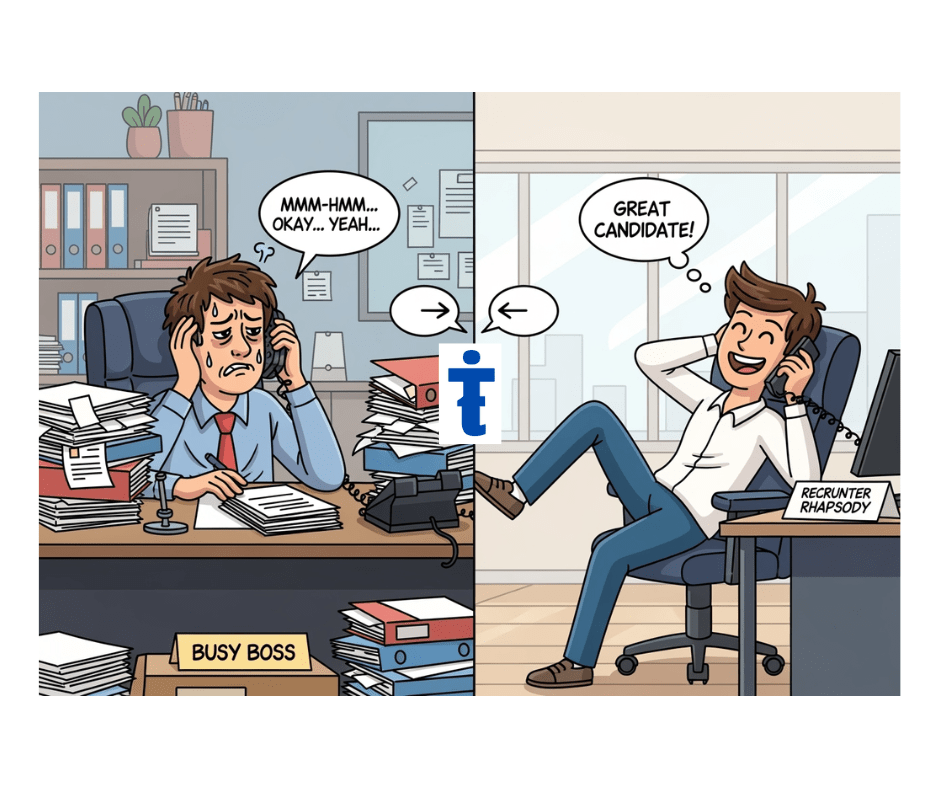
It’s a question that comes up time and again in recruitment circles and among hiring managers: Should you bother with reference checks for a new hire? At The Talent Initiative, we’ve seen all sides of the debate, and we know it’s not always a straightforward “yes” or “no.”
Let’s break it down.
The Case for Reference Checks
1. Extra Layer of Assurance
Reference checks can provide valuable insights into a candidate’s work ethic, attitude, and performance, often revealing things that a resume or interview can’t capture. Sometimes, a quick chat with a former manager or colleague is all it takes to confirm you’re making the right call.
2. Red Flags (or Green Lights)
Occasionally, reference checks uncover red flags, patterns of behaviour, attitude issues, or performance gaps that might otherwise go unnoticed. On the flip side, they can also reinforce your positive impression and give you confidence to move forward.
3. Cultural Fit
A reference can shed light on how someone fits into different team environments, adapts to change, or handles stress, crucial factors for long-term success.
The Case Against Reference Checks
1. Are They Truly Objective?
Let’s be honest: most candidates won’t list someone who’s going to give them a bad review. References are often carefully chosen, and sometimes the feedback is more polite than honest.
2. Time and Resource Intensive
Reference checks can slow down the hiring process, especially when you’re moving quickly or dealing with hard-to-reach referees. In a tight market, speed can be everything.
3. Privacy and Legal Considerations
Some organisations have strict policies about what they can say, and referees may be hesitant to share anything beyond the basics for fear of legal repercussions.
The TTI Perspective: What’s the Smart Play?
At The Talent Initiative, we believe reference checks are still valuable, but only when done thoughtfully. Here’s how we approach it:
- Keep it targeted: Focus on the most relevant and recent roles. Don’t ask for a laundry list of referees, two solid references are usually enough.
- Ask real questions: Go beyond the standard “Would you rehire them?” (Although that is one we love to ask) Dig into specifics about strengths, areas for development, and how the candidate handled challenges.
- Really listen to the answers and be engaged: Just reading off a script and taking notes isn’t that professional. Hold a conversation. Use your template as a reminder not a form which needs its boxes ticked.
- Look for consistency: Use references to validate what you’ve already learned, not as a fishing expedition for dirt.
- Respect everyone’s time: Be clear and concise with your questions, and don’t drag out the process. For Recruiters. There are systems/tools now that can automate reference checks and seemingly save you time, ie you plug the names and details of referee’s into it (or even better get the candidate to) and it sends forms to referees. While this is easy for a Recruiter, respect the referee’s time. (Be careful what tools you trust your reputation with) I’ve received some of late that tell me it’ll take 30 odd minutes to fill in. Why would I do that as a referee?
So… Yes or No?
Our answer: Yes, but don’t let reference checks be the only thing standing between you and your next great hire. Use them as a tool to confirm your decision, not to make it for you. Trust your process, trust your gut, and use references as a final sense-check. Not a hurdle. (unless giant RED flags appear. My favourite response. “Yes, I’d thoroughly recommend to my competitors”)
Curious to hear your thoughts. Do you still do reference checks? Have they ever changed your mind about a candidate? Drop your experiences in the comments or reach out for a chat. At TTI, we’re all about finding the right fit, for you and your future team.
 The Talent Initiative
Leave a comment